
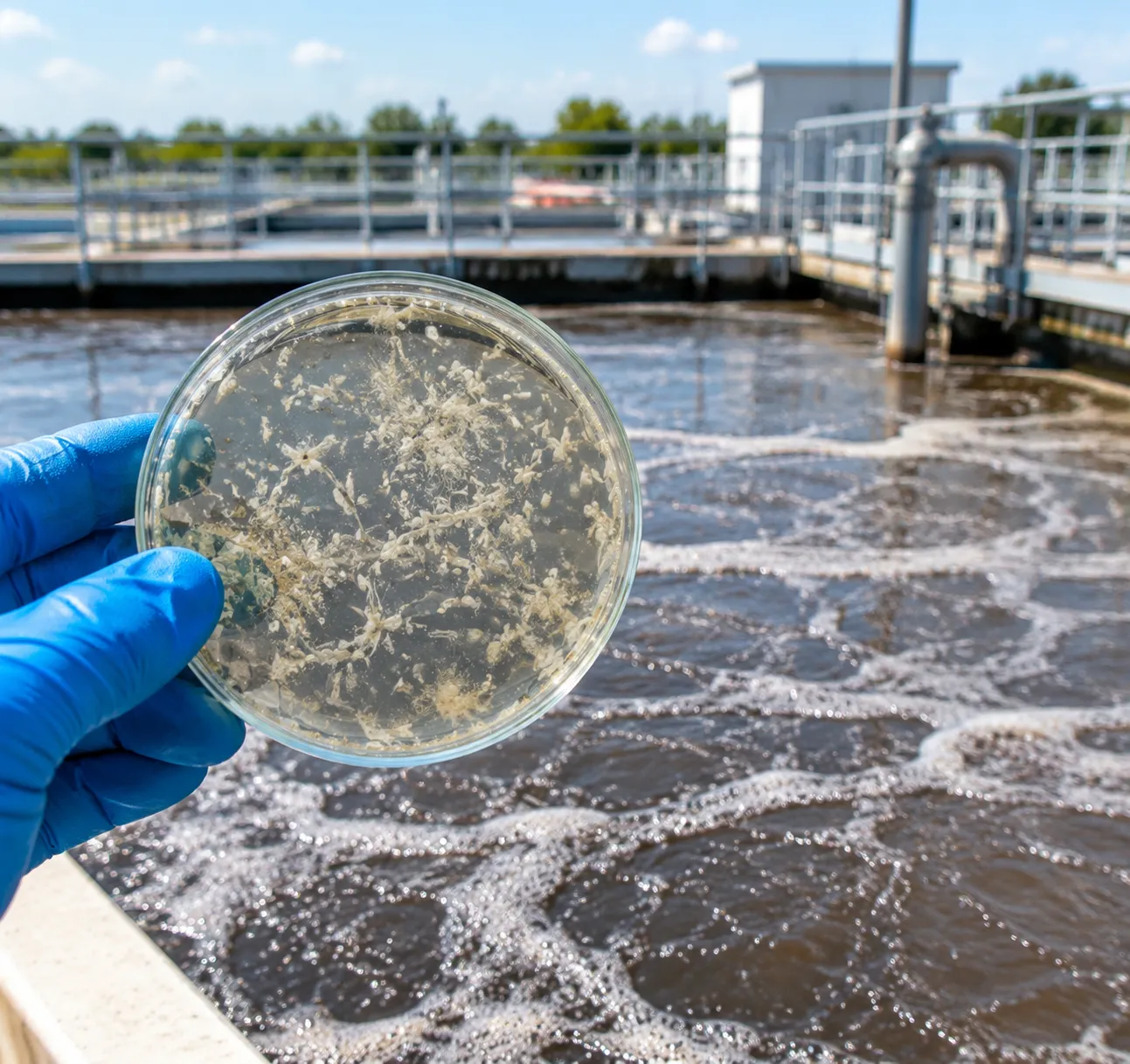
If you want to know what organisms break down chemical wastes in a treatment plant, you're in the right place. From specialized bacteria and toxin-absorbing fungi to active protozoa and metazoa, a complex ecosystem works 24/7 to digest hazardous pollutants and clarify water. The sections below cover the key decomposers, how aerobic digestion and anaerobic trains work, and the operating checks that keep biological wastewater treatment stable.
What Organisms Break Down Chemical Wastes in a Treatment Plant at Secondary Treatment
Modern industrial and municipal facilities rely heavily on biological systems to remediate hazardous effluents before discharge. Understanding what organisms break down chemical wastes in a treatment plant is fundamental to operating an efficient secondary wastewater treatment stage. By leveraging targeted microbial populations, treatment facilities convert toxic, dissolved contaminants into benign byproducts such as water, carbon dioxide, and stable biomass.[1]
The Role of Microorganisms in Degrading Chemical Waste
- Enzymatic Catalysis: Microbes produce intracellular and extracellular enzymes that sever complex synthetic and organic bonds.
- Contaminant Consumption: Organic pollutants serve as essential carbon sources and electron donors for cellular growth.
- Pollutant Stabilization: Soluble toxins are oxidized or reduced into inert, easily separable solids.
| Microbial Group | Functional Action | Target Compounds |
|---|---|---|
| Heterotrophic Bacteria | Rapid oxidation of carbonaceous molecules | Carbohydrates, hydrocarbons, solvents |
| Autotrophic Consortia | Inorganic compound synthesis and conversion | Ammonia, nitrites, sulfides |
| Specialized Fungi | Insoluble complex molecule breakdown | Lignins, polymers, persistent chemical residues |
Why Biological Treatment is Essential for Wastewater
Biological wastewater treatment provides a self-sustaining, scalable, and highly adaptable solution for global industrial discharge standards.
- Cost Efficiency: Minimizes the recurring procurement expenses of aggressive oxidizing chemicals.
- Comprehensive Toxin Removal: Targets dissolved organics that bypass standard mechanical screening and primary settling stages.
- Environmental Compatibility: Prevents secondary chemical pollution by generating non-hazardous biological sludge instead of concentrated chemical waste streams.
- Operational Resilience: Robust microbial consortia adapt over time to fluctuating chemical loads and complex industrial feedstocks.
Key Organisms That Break Down Chemical Wastes
In biological wastewater treatment systems, a diverse community of microscopic organisms works continuously to degrade, neutralize, and digest industrial effluents and organic contaminants. Understanding what organisms break down chemical wastes in a treatment plant allows us to optimize biological balance and maintain clean discharge standards.
Bacteria: The Primary Decomposers
Bacteria form the foundation of any biological treatment plant, accounting for the vast majority of contaminant breakdown. As the main decomposers, they consume dissolved organic matter, industrial solvents, and chemical byproducts.[2]
- Aerobic Bacteria: Thrive in oxygen-rich zones, rapidly oxidizing organic carbon into carbon dioxide and water.
- Anaerobic Bacteria: Function without free oxygen, breaking down heavy chemical sludge and complex organic compounds into methane and stabilized solids.
- Facultative Bacteria: Adapt dynamically to both aerated and low-oxygen conditions depending on system operational shifts.
- Nitrifying Bacteria: Specialize in converting toxic ammonia into nitrites and nitrates, removing hazardous nitrogenous wastes from chemical streams.[3]
Protozoa: Regulating Bacterial Populations
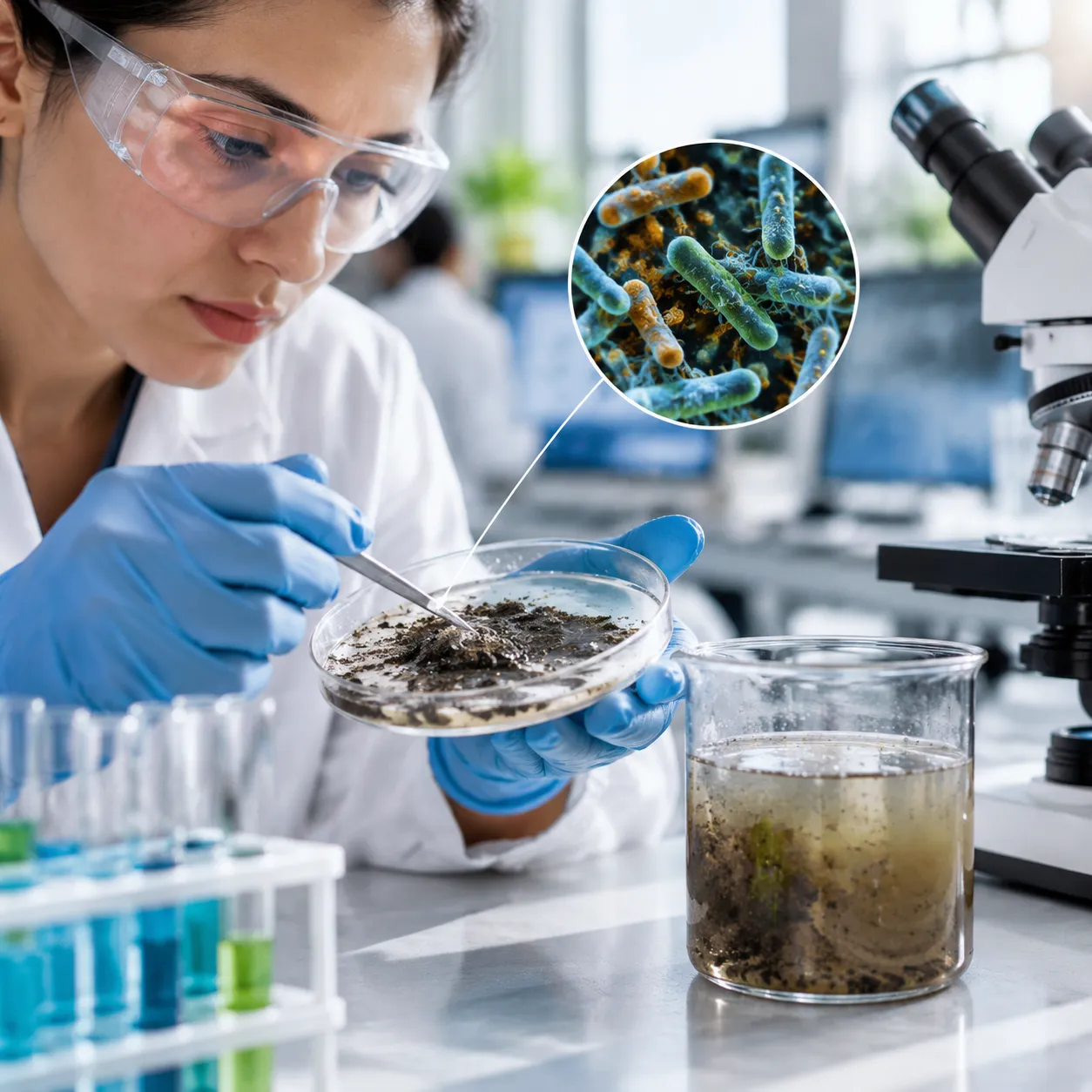
Protozoa - including ciliates, flagellates, and amoebae - act as natural regulators within the system. While bacteria digest dissolved chemical pollutants, protozoa feed on suspended, free-swimming bacteria and fine particulate matter.
By consuming excess single-cell bacteria, protozoa prevent cloudiness, improve floc formation, and clarify the treated water prior to discharge.
Fungi and Algae: Absorbing Complex Toxins
Fungi and algae target stubborn, non-standard chemical residues that typical bacterial strains cannot easily degrade:
- Fungi: Produce robust extracellular enzymes capable of cleaving complex polymers, dyes, synthetic phenolic compounds, and persistent industrial residues.
- Algae: Absorb inorganic nutrients such as excess nitrogen and phosphorus. During photosynthesis, algae generate dissolved oxygen that supports ongoing aerobic digestion across the bioreactor, aiding in the breakdown of dissolved inorganic and organic matrices.
Metazoa: Higher Organisms for Sludge Clarification
Multicellular organisms like rotifers, nematodes, and gastrotrichs represent the top of the microbial food chain in wastewater plants. Metazoa feed on older bacterial flocs, algae, and protozoa.
Their presence signifies a stable, mature sludge age and well-aerated system, ensuring low effluent turbidity and optimal sludge compacting before final filtration. High process precision is routinely monitored using verified analytical standards to ensure these multi-organism systems operate within legal discharge parameters.
How Microorganisms Break Down Complex Chemical Contaminants
Treatment plants rely on biochemical pathways to dismantle hazardous industrial effluents and synthetic compounds. Understanding what organisms break down chemical wastes in a treatment plant requires looking at the natural digestive mechanisms these microbes use to neutralize pollutants into stable end products.
Aerobic Digestion and Oxidation
In oxygen-rich basins, aerobic bacteria consume dissolved organic compounds as energy sources.[4] These organisms use free dissolved oxygen to oxidize complex hydrocarbons, surfactants, and solvent residues.
- Enzymatic Cleavage: Aerobic decomposers release extracellular enzymes that break complex polymers into smaller, bioavailable units.
- Oxidative Conversion: Cells absorb these fragments, converting them into carbon dioxide, clean water, and microbial cellular mass.
- Nitrification: Specialized nitrifying bacteria oxidize toxic ammonia into nitrites and subsequently into stable nitrates.
This aerobic digestion process neutralizes aggressive compounds quickly, preventing volatile organic compounds from escaping into the atmosphere.
Anaerobic Digestion and Fermentation
When treating dense chemical sludges and high-load wastewater, oxygen-free reactors take over. Anaerobic bacteria break down tough chemical structures through a multi-stage digestion and fermentation sequence:[5]
| Digestion Stage | Primary Microorganisms | Function in Chemical Breakdown |
|---|---|---|
| Hydrolysis | Facultative bacteria | Splits insoluble chemical polymers into simple sugars and amino acids |
| Acidogenesis | Fermentative microbes | Converts intermediate products into volatile fatty acids and alcohols |
| Acetogenesis | Acetogenic bacteria | Digests organic acids into acetic acid, carbon dioxide, and hydrogen gas |
| Methanogenesis | Methanogenic archaea | Converts acetate and hydrogen into methane gas and water |
This anaerobic chain ensures that persistent chemicals break down completely without requiring continuous aeration. When industrial plants manage volatile residues from catalysts and additives, anaerobic fermentation buffers the shock loading before the effluent moves to secondary clarification.
BOD and COD Reduction Mechanisms
Chemical waste breakdown directly correlates with the reduction of Biochemical Oxygen Demand (BOD) and Chemical Oxygen Demand (COD). Microorganisms drive these parameters down through synchronized metabolic processes:
- Carbon Assimilation: Microbes rapidly bind soluble organic carbon into settleable biological flocs, lowering raw BOD concentrations.
- Refractory Breakdown: Specialized microbial consortia degrade non-biodegradable synthetic compounds that typically drive high COD levels.
- Flocculation and Clarification: Settled bacterial biomass traps suspended colloidal chemicals, leaving treated effluent ready for discharge or tertiary polishing.
Dissolved Oxygen, Temperature, and Nutrients for Aerobic Digestion
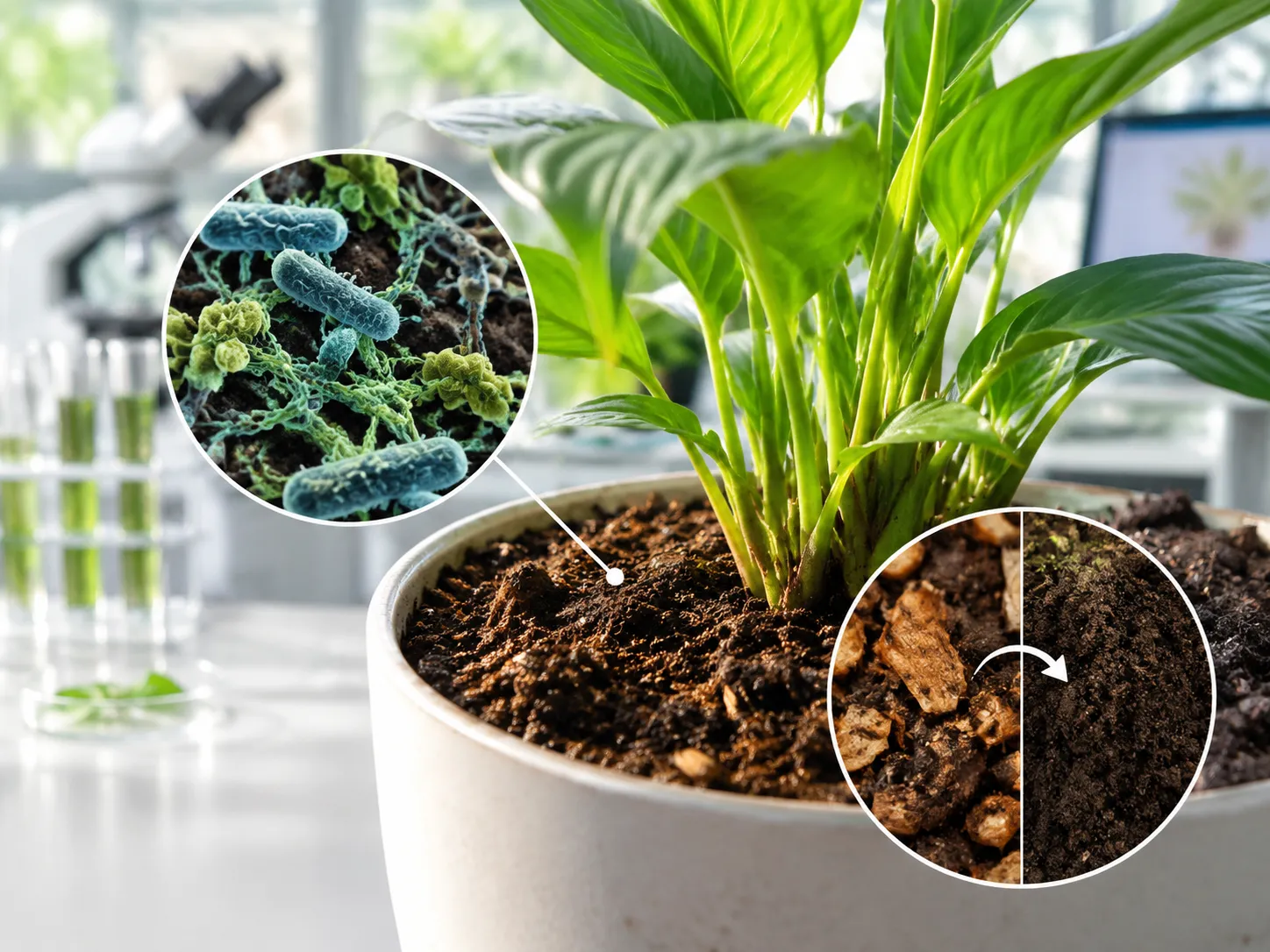
Maintaining the ideal environment is crucial to ensure that the biological cultures responsible for waste degradation perform at peak capacity. When managing biological wastewater treatment systems, we control several critical operating parameters to support the metabolic activity of decomposers.
Dissolved Oxygen and Aeration Levels
Oxygen availability dictates which microbial pathways actively decompose pollutants:
- Aerobic Bacteria: Require stable dissolved oxygen (DO) concentrations - typically between 1.5 and 3.0 mg/L - to maintain rapid aerobic digestion and organic oxidation.[2]
- Anaerobic Bacteria: Thrive strictly in the complete absence of dissolved oxygen to break down high-strength chemical sludge.
- Aeration Control: Proper diffused aeration prevents dead zones, keeps biomass suspended, and ensures steady oxygen transfer throughout the basin.
Temperature and pH Optimization
Enzymatic breakdown of chemical contaminants depends heavily on stable physical conditions:
- Temperature: Most wastewater microbes perform best in the mesophilic range (20°C to 35°C). Sudden drops slow down metabolic rates, while excessive heat can denature vital bacterial enzymes.
- pH Levels: Maintaining a balanced pH between 6.5 and 8.5 protects sensitive populations like nitrifying bacteria and protozoa from chemical shock and cell lysis.[3]
Nutrient Balance and Toxic Inflow Management
To sustain active microbial populations, biological reactors require a steady supply of balanced macronutrients alongside strict protection against toxic surges:
- BOD:N:P Ratio: Microorganisms require a balanced carbon-to-nitrogen-to-phosphorus ratio (typically 100:5:1) for synthesis and cell growth.[6]
- Inflow Control: Sudden spikes in heavy metals, biocides, or aggressive chemical raw materials can sterilize active biomass. Following practical operational treatment guides helps facility operators buffer chemical influxes, equalize load variations, and protect biological systems from shock failure.
Benefits of Microbial Waste Breakdown in Treatment Plants
Understanding what organisms break down chemical wastes in a treatment plant allows us to optimize biological wastewater treatment, lowering operational expenses and significantly cutting environmental footprints across industrial and municipal sectors.
Significant Sludge Reduction and Odor Control
Active biological systems rely on robust populations of aerobic and anaerobic decomposers that digest organic mass directly at the cellular level. By converting settled solids into gases like carbon dioxide and methane, these organisms dramatically cut the total volume of secondary sludge.[6]
- Sludge minimization: Reduces solid accumulation, cutting dewatering and hauling costs.
- Odor neutralization: Aerobic bacteria and nitrifying strains break down volatile sulfur and nitrogen compounds before foul odors develop.
- System stability: Continuous organic breakdown maintains balanced clarifier operations.
Cost-Effective and Eco-Friendly Water Purification
Relying on natural microbiological communities lowers the dependence on expensive chemical coagulants, neutralizers, and flocculants. Biological degradation delivers clean water while maintaining steady compliance with environmental discharge regulations.
| Treatment Metric | Biological Treatment (Microbial Breakdown) | Conventional Chemical-Only Treatment |
|---|---|---|
| Operating Costs | Low; self-sustaining bacterial colonies | High; continuous chemical consumption |
| Secondary Waste | Minimal, stabilized bio-solids | Heavy chemical sludge volumes |
| Environmental Impact | Eco-friendly natural degradation | Risk of secondary chemical discharge |
Efficient Treatment of Industrial and Municipal Chemical Effluents
Modern treatment plants process complex chemical inputs daily. Acclimated microbial communities and fungi effectively degrade synthetic additives, industrial detergents, and residues from formulated surfactants before the water is discharged.
- Refractory compound removal: Specialized bacterial strains break down resilient synthetic molecules into harmless base elements.
- Load adaptation: Facultative bacteria adjust quickly to fluctuating chemical inflows without causing system downtime.
- High-quality discharge: Consistent biological oxidation ensures industrial effluents meet all local and international discharge standards.[7]
References
- U.S. EPA - National Pollutant Discharge Elimination System (NPDES) ↩
- U.S. EPA - Municipal Wastewater ↩
- U.S. EPA - Nutrient Pollution: Sources and Solutions, Wastewater ↩
- U.S. EPA - How Septic Systems Work ↩
- PMC8909386 - Microbial communities in wastewater treatment systems ↩
- U.S. EPA - Biosolids ↩
- WHO - Wastewater, sanitation and health